
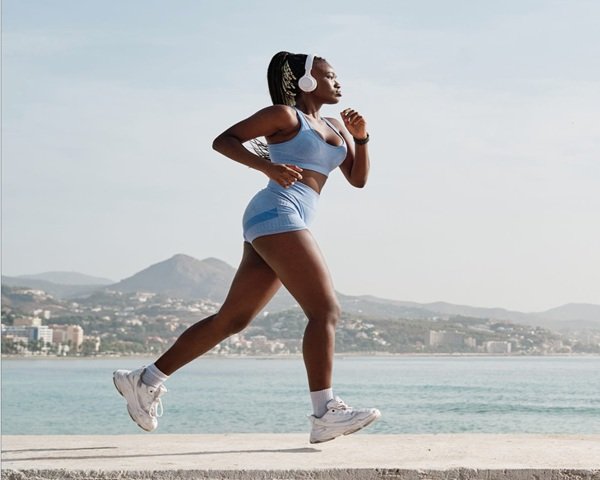
Running shoes have evolved dramatically over the past few decades, with brands constantly innovating to meet the needs of athletes and casual runners alike. Among these innovations, Brooks has consistently stood out for its dedication to comfort, performance, and biomechanics. The Brooks Glycerin Max represents a new milestone in this journey, offering runners an unprecedented level of cushioning designed to enhance both short and long-distance runs. This essay explores the features, technology, and impact of the Brooks Glycerin Max, while also examining how it fits into the broader landscape of modern running footwear.
What Is Brooks Glycerin Max?

The Brooks Glycerin Max is a max-cushioned road running shoe that builds on the legacy of the popular Glycerin line but takes comfort to an entirely new level. Unlike traditional running shoes that aim for balance across multiple features, this one is unapologetically focused on softness and protection.
At its core, the Glycerin Max is designed for runners who want a plush experience underfoot. It features an exaggerated midsole with a high stack height, giving you that “walking on clouds” sensation. This isn’t just marketing hype—you genuinely feel the difference, especially during longer runs.
What makes it interesting is how Brooks has managed to combine extreme cushioning with a relatively stable platform. While many max-cushioned shoes feel unstable or overly squishy, the Glycerin Max maintains a controlled and balanced ride, making it approachable even for newer runners.
Key Features and Technology


The Evolution of Brooks Running Shoes
A Legacy of Innovation
Brooks has long been recognized as a leader in running shoe technology. From its early models to its modern designs, the company has prioritized biomechanics, injury prevention, and comfort.
Focus on Cushioning: Brooks has consistently refined its midsole technology to provide shock absorption and energy return.
Runner-Centric Design: Every shoe is engineered with input from athletes, ensuring that performance meets real-world demands.
Sustainability: In recent years, Brooks has also emphasized eco-friendly materials and manufacturing processes.
The Glycerin Line
The Glycerin series has been a flagship line for Brooks, known for plush cushioning and premium comfort.
Target Audience: Ideal for runners seeking maximum softness without sacrificing responsiveness.
Progressive Updates: Each iteration has introduced new technologies, from DNA Loft midsoles to improved upper materials.
Reputation: The Glycerin line is often considered the “luxury” option in Brooks’ catalog.
Introducing the Brooks Glycerin Max
What Sets It Apart
The Brooks Glycerin Max takes the cushioning concept to the next level.
Ultra-Plush Cushioning: Designed for runners who prioritize comfort above all else.
Maximalist Approach: The shoe embraces the “max cushioning” trend, offering more foam underfoot than previous models.
Versatility: Suitable for daily training, recovery runs, and long-distance mileage.
Design Philosophy
The Glycerin Max was created to address the growing demand for shoes that reduce impact stress while maintaining stability.
Biomechanical Support: The shoe adapts to different stride patterns, reducing injury risk.
Comfort First: Every element, from the upper to the outsole, is engineered for softness and support.
Modern Aesthetic: Sleek design and vibrant colorways appeal to both performance-driven and style-conscious runners.
Key Features of the Brooks Glycerin Max
DNA Loft v3 Midsole
At the heart of the Glycerin Max is Brooks’ DNA Loft v3 cushioning technology.
Nitrogen-Infused Foam: Provides lightweight softness without compromising durability.
Adaptive Cushioning: Adjusts to each runner’s stride, offering personalized comfort.
Energy Return: Ensures that cushioning does not come at the expense of responsiveness.
Expanded Midsole Geometry
The Glycerin Max features a wider base to enhance stability.
Balanced Ride: Prevents excessive foot rolling, making it suitable for neutral runners.
Smooth Transitions: The geometry supports natural heel-to-toe movement.
Confidence Boost: Runners feel secure even during long runs or uneven terrain.
Premium Upper Construction
The upper of the Glycerin Max combines breathability with plush comfort.
Engineered Mesh: Allows airflow while maintaining structure.
3D Fit Print Technology: Provides a snug, adaptive fit without adding weight.
Padded Collar and Tongue: Enhances overall comfort, reducing irritation during extended wear.
Outsole Durability
Brooks has reinforced the outsole to ensure longevity.
High-Abrasion Rubber: Protects against wear and tear.
Flex Grooves: Promote natural foot movement.
Traction: Reliable grip across different surfaces.
Benefits for Runners
Comfort for Long Runs
The Glycerin Max is particularly beneficial for marathon training and endurance running.
Reduced Fatigue: Extra cushioning minimizes muscle strain.
Joint Protection: Softer landings reduce stress on knees and ankles.
Mental Boost: Comfort translates into confidence, helping runners push further.
Recovery Runs
After intense workouts, runners often need shoes that prioritize softness.
Gentle Cushioning: Ideal for easy-paced recovery runs.
Supportive Fit: Prevents discomfort during slower mileage.
Everyday Training
The versatility of the Glycerin Max makes it suitable for daily use.
Durability: With reinforced materials, it withstands high mileage.
Adaptability: Works well for both casual joggers and competitive athletes.
Read More Story: Inside Tamzin Malleson’s Journey in British Television
Comparisons with Other Models
Glycerin 20 vs. Glycerin Max
Cushioning: The Max offers more foam and softness.
Weight: Slightly heavier due to added cushioning.
Target Audience: Glycerin 20 suits runners seeking balance, while the Max caters to those prioritizing plush comfort.
Competitors in the Market
The Glycerin Max competes with other maximalist shoes like:
Hoka Bondi: Known for extreme cushioning.
ASICS Nimbus: Offers plush comfort with stability.
Nike Invincible Run: Focuses on energy return and softness.
Brooks differentiates itself with adaptive cushioning and a more balanced ride.
The Rise of Maximalist Running Shoes
Changing Runner Preferences
In recent years, runners have increasingly embraced maximalist shoes.
Comfort Over Speed: Many prioritize injury prevention and comfort over lightweight speed.
Marathon Trend: Long-distance runners benefit from reduced impact stress.
Lifestyle Appeal: Maximalist shoes also appeal to non-runners seeking everyday comfort.
Brooks’ Role in the Trend
By introducing the Glycerin Max, Brooks solidifies its position in the maximalist movement.
Innovation: DNA Loft v3 sets it apart from competitors.
Brand Loyalty: Existing Brooks fans now have a maximalist option within the brand.
Potential Drawbacks
Weight Considerations
Heavier Build: Extra cushioning adds weight, which may not suit speed-focused runners.
Price Point
Premium Cost: As a flagship model, the Glycerin Max is priced higher than standard trainers.
Specific Audience
Not for Everyone: Minimalist runners or those seeking lightweight racing shoes may prefer other models.

4
Comfort is where the Brooks Glycerin Max truly shines—and honestly, it’s the main reason people buy this shoe. From the moment you slip it on, you’ll notice the plush padding around the collar and tongue, creating a soft and secure feel.
The cushioning underfoot is incredibly forgiving. Every step feels cushioned and smooth, especially on hard surfaces. If you’ve ever felt soreness in your knees or feet after a run, this shoe can make a noticeable difference. It absorbs impact so effectively that even longer runs feel less taxing on your body.
The fit is generally true to size, with a slightly roomy toe box that allows your toes to move naturally. This is a big plus for runners who dislike tight-fitting shoes. At the same time, the midfoot remains secure, preventing unnecessary movement inside the shoe.
That said, the shoe is not lightweight. You’ll feel its presence, especially if you’re used to minimal or racing shoes. But once you adjust, the comfort more than makes up for the added weight.
Performance on the Road

Pros and Cons of Brooks Glycerin Max
The Brooks Glycerin Max has a lot going for it, but like any shoe, it comes with its trade-offs.
One of its biggest strengths is the exceptional cushioning. Few shoes can match the level of softness and impact protection it provides. This makes it ideal for long runs, recovery days, and everyday wear.
Another major advantage is the smooth ride. The rocker design helps guide your stride naturally, reducing the effort needed to keep moving forward. Over time, this can help reduce fatigue, especially for less experienced runners.
On the downside, the shoe is relatively heavy. While this isn’t a dealbreaker, it can feel noticeable if you’re trying to run faster or switch gears mid-run. It’s simply not built for speed.
Additionally, the energy return is modest. The foam prioritizes softness over responsiveness, which means you won’t get that springy, explosive feel found in performance-oriented shoes.
Final Verdict: Is Brooks Glycerin Max Worth It?
The Brooks Glycerin Max represents a new era of cushioning in running footwear. By combining nitrogen-infused DNA Loft v3 foam, expanded midsole geometry, and premium upper construction, Brooks has created a shoe that prioritizes comfort without sacrificing performance.
For marathoners, recovery runners, and those who simply value plush cushioning, the Glycerin Max is a game-changer. While it may not suit every runner—particularly those focused on speed—it fills a crucial niche in the market. As maximalist shoes continue to rise in popularity, Brooks has positioned itself at the forefront of innovation, ensuring that the Glycerin Max will be remembered as a defining model in the evolution of running footwear.